Introduction
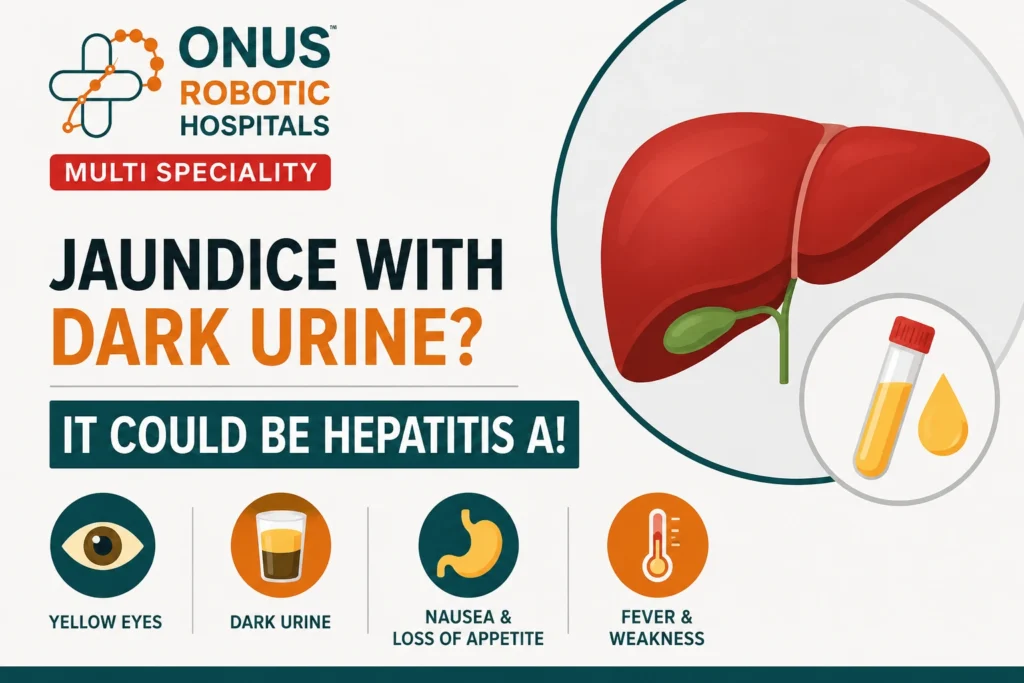
Yellowing of the eyes, dark-colored urine, loss of appetite, nausea, vomiting, fever, and unusual fatigue are symptoms that many people tend to ignore initially. However, these signs may indicate an underlying liver problem, including Hepatitis A, a common viral infection that affects the liver.
Hepatitis A is usually transmitted through contaminated food or water and can lead to inflammation of the liver. While most patients recover completely with proper care, early recognition and timely medical evaluation are essential to prevent complications and ensure appropriate treatment.
In this article, Dr. P. Ravikiran, Infectious Diseases Specialist, explains everything you need to know about Hepatitis A, including its causes, symptoms, diagnosis, treatment, and prevention.
What Is Hepatitis A?
Hepatitis A is a contagious viral infection caused by the Hepatitis A Virus (HAV). The virus primarily affects the liver, causing inflammation that interferes with its normal functions.
The liver plays a vital role in digestion, metabolism, detoxification, and processing waste products in the body. When the liver becomes inflamed due to Hepatitis A, several symptoms can develop, including jaundice and dark urine.
Unlike Hepatitis B and Hepatitis C, Hepatitis A does not typically lead to chronic liver disease. Most people recover fully within a few weeks to months.
How Does Hepatitis A Spread?
Hepatitis A spreads mainly through the fecal-oral route, which means a person becomes infected after consuming food or water contaminated with the virus.
Common Sources of Infection
Contaminated Food
Food prepared under poor hygienic conditions can become contaminated with the virus and spread infection.
Contaminated Water
Drinking untreated or contaminated water is one of the most common causes of Hepatitis A outbreaks.
Poor Hand Hygiene
Failure to wash hands properly after using the restroom can contribute to transmission.
Close Personal Contact
People living with or caring for an infected individual may have a higher risk of infection.
Why Do Jaundice and Dark Urine Occur?
One of the liver’s important functions is processing bilirubin, a yellow pigment produced during the normal breakdown of red blood cells.
When Hepatitis A causes liver inflammation:
- The liver becomes less efficient at processing bilirubin.
- Bilirubin levels increase in the bloodstream.
- Excess bilirubin causes yellow discoloration of the eyes and skin (jaundice).
- Bilirubin is excreted through urine, making it appear dark yellow, brown, or tea-colored.
This is why jaundice and dark urine are among the most recognizable symptoms of liver disease.
Common Symptoms of Hepatitis A
Symptoms may appear two to six weeks after exposure to the virus and can vary in severity.
Jaundice
Yellowing of the eyes and skin is one of the hallmark signs of Hepatitis A.
Dark Urine
Urine may become darker than usual due to increased bilirubin levels.
Loss of Appetite
Many patients experience a significant decrease in appetite.
Nausea and Vomiting
Digestive symptoms are common, especially during the early stages of infection.
Fever
A low-grade fever may accompany the infection.
Fatigue and Weakness
Patients often feel unusually tired and lack energy for daily activities.
Abdominal Discomfort
Pain or discomfort may occur in the upper right side of the abdomen where the liver is located.
Pale-Colored Stools
Some individuals may notice lighter or clay-colored stools.
Who Is at Higher Risk?
Certain groups are more likely to develop Hepatitis A, including:
- Individuals consuming unsafe food or water
- Travelers to areas with poor sanitation
- People living in crowded environments
- Individuals with poor hand hygiene practices
- Family members or close contacts of infected individuals
How Is Hepatitis A Diagnosed?
Because jaundice and dark urine can occur in many liver-related conditions, proper medical evaluation is essential.
Blood Tests
Specific blood tests can identify antibodies that confirm Hepatitis A infection.
Liver Function Tests (LFTs)
LFTs help assess liver health and determine the extent of liver inflammation.
Clinical Evaluation
Doctors consider symptoms, medical history, physical examination findings, and laboratory results before making a diagnosis.
When Should You Get Tested?
You should consult a doctor if you experience:
- Yellowing of the eyes or skin
- Persistent dark urine
- Loss of appetite
- Nausea or vomiting
- Fever
- Severe fatigue
- Abdominal discomfort
Early diagnosis helps determine the exact cause and allows for appropriate management.sity, the body develops leptin resistance, making it harder to recognize when enough food has been consumed.
Treatment of Hepatitis A
There is no specific antiviral medication required for most Hepatitis A infections. Treatment is mainly supportive and focuses on helping the body recover.
Rest
Adequate rest allows the body to heal and regain strength.
Hydration
Drinking plenty of fluids helps prevent dehydration, especially in patients with vomiting.
Nutritious Diet
A balanced diet supports liver recovery and overall health.
Regular Monitoring
Doctors may recommend follow-up visits and repeat liver function tests to monitor recovery.
Most patients recover completely within a few weeks or months without long-term liver damage.
Can Hepatitis A Be Prevented?
Yes. Hepatitis A is largely preventable through proper hygiene and vaccination.
Wash Hands Regularly
Always wash hands thoroughly with soap and water before eating and after using the restroom.
Drink Safe Water
Consume clean, treated, and safe drinking water.
Eat Hygienic Food
Avoid food from unhygienic sources and ensure meals are properly cooked.
Get Vaccinated
The Hepatitis A vaccine provides effective protection and is recommended for individuals at increased risk.
When Should You See a Doctor Immediately?
Seek medical attention if you develop:
- Jaundice
- Dark urine
- Persistent vomiting
- Severe weakness
- High fever
- Significant abdominal pain
- Symptoms that continue to worsen
Remember, jaundice can result from several liver and biliary disorders, not just Hepatitis A. Proper evaluation is necessary to identify the underlying cause.
Conclusion
Hepatitis A is a common viral infection that can cause jaundice, dark urine, nausea, vomiting, fatigue, and loss of appetite. Although most patients recover fully, early diagnosis and proper medical care are essential for safe recovery and to rule out other serious liver conditions.
If you notice yellow eyes, dark urine, or other symptoms of liver dysfunction, do not ignore them. Consult a healthcare professional for appropriate testing and treatment.
Dr. P. Ravikiran, Infectious Diseases Specialist, emphasizes that early medical evaluation, good hygiene practices, safe food and water consumption, and vaccination are key to preventing Hepatitis A and protecting liver health.
Consultation
📍 Dr. Ravi Kiran
Diabetologist & Preventive Medicine Specialist
Onus Robotic Hospital, Hyderabad