By Dr. P. Ravi Kiran
Introduction
When people say, “I want to lose belly fat,” they are usually referring to the fat they can see around their abdomen. While visible belly fat can affect appearance and confidence, there is another type of abdominal fat that deserves even more attention from a health perspective: visceral fat.
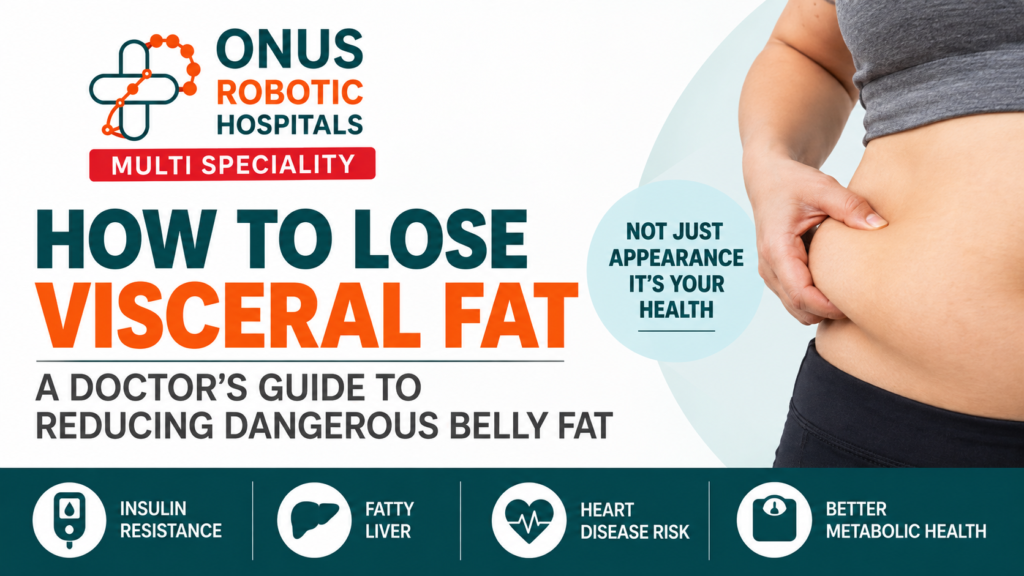
Unlike the fat that sits just beneath the skin, visceral fat is stored deep inside the abdomen, surrounding vital organs such as the liver, pancreas, intestines, and kidneys. This hidden fat is metabolically active and has been strongly associated with insulin resistance, Type 2 diabetes, fatty liver disease, high blood pressure, heart disease, and other serious health conditions.
The good news is that visceral fat can be reduced through the right combination of nutrition, physical activity, sleep, stress management, and medical guidance when necessary.
What Is Visceral Fat?
Body fat is generally divided into two major categories:
Subcutaneous Fat
This is the fat located just beneath the skin. It is the fat you can pinch around your waist, thighs, arms, or hips.
Visceral Fat
Visceral fat lies deep within the abdominal cavity and surrounds internal organs. Because it is hidden from view, many people are unaware they have excessive amounts of it.
Even individuals who appear relatively slim may carry unhealthy levels of visceral fat, especially if they have a sedentary lifestyle or poor metabolic health.
Why Is Visceral Fat Dangerous?
Visceral fat behaves differently from ordinary body fat.
It releases inflammatory chemicals and hormones that can interfere with normal metabolism.
Excess visceral fat is associated with:
- Insulin resistance
- Prediabetes
- Type 2 diabetes
- Fatty liver disease
- High blood pressure
- Elevated cholesterol and triglycerides
- Heart disease
- Stroke
- Metabolic syndrome
As visceral fat increases, the body’s ability to regulate blood sugar and energy balance becomes impaired.
The Connection Between Visceral Fat and Insulin Resistance
One of the most important health effects of visceral fat is its role in insulin resistance.
Insulin is a hormone that helps move glucose from the bloodstream into cells where it can be used for energy.
When visceral fat accumulates:
- Cells become less responsive to insulin
- Blood sugar levels begin to rise
- The pancreas produces more insulin
- Fat storage increases
- Weight loss becomes more difficult
Over time, this process can lead to prediabetes and eventually Type 2 diabetes.
Signs You May Have Excess Visceral Fat
Visceral fat cannot be measured simply by looking in the mirror.
Possible warning signs include:
Large Waist Circumference
For many Asian populations:
- Men: Waist circumference above 90 cm
- Women: Waist circumference above 80 cm
may indicate increased metabolic risk.
Increasing Belly Size
A growing waistline despite stable body weight can be a warning sign.
Prediabetes or Diabetes
Elevated blood sugar often accompanies excess visceral fat.
Fatty Liver Disease
Many patients with fatty liver also have significant visceral fat accumulation.
High Triglycerides
Elevated blood triglyceride levels frequently occur alongside abdominal obesity.
Why Do People Develop Visceral Fat?
Several factors contribute to visceral fat accumulation.
Excess Calorie Intake
Consuming more calories than the body needs leads to fat storage.
Sedentary Lifestyle
Physical inactivity reduces calorie expenditure and promotes fat accumulation.
Poor Sleep
Sleep deprivation can alter hunger hormones and increase cravings.
Chronic Stress
Stress hormones may contribute to increased abdominal fat storage.
High Sugar Consumption
Frequent intake of sugary beverages and processed foods can worsen metabolic health.
Genetics
Some individuals are naturally more prone to storing fat around the abdomen.
Can Visceral Fat Be Reduced?
Yes.
The body can reduce visceral fat when overall metabolic health improves.
In fact, visceral fat often responds more quickly to lifestyle changes than subcutaneous fat.
The key is consistency rather than extreme dieting.
1. Improve Your Diet
Nutrition plays a major role in reducing visceral fat.
Eat More Protein
Protein helps:
- Increase satiety
- Preserve muscle mass
- Reduce hunger
- Support weight loss
Good protein sources include:
- Eggs
- Fish
- Chicken
- Paneer
- Greek yogurt
- Lentils
- Beans
Increase Fibre Intake
Fibre supports digestion and helps control appetite.
Choose:
- Vegetables
- Fruits
- Whole grains
- Millets
- Pulses
- Legumes
Reduce Processed Foods
Limit:
- Sugary drinks
- Bakery products
- Chips
- Fast food
- Refined carbohydrates
2. Walk Regularly
Walking is one of the simplest and most effective exercises for improving metabolic health.
Benefits include:
- Increased calorie expenditure
- Improved insulin sensitivity
- Better blood sugar control
- Reduced visceral fat over time
Aim for regular daily walking as part of your routine.
3. Add Strength Training
Many people focus only on cardio exercises.
However, strength training is equally important.
Benefits include:
- Preserving muscle mass
- Increasing metabolic rate
- Improving insulin sensitivity
- Supporting long-term fat loss
Building muscle helps the body burn more calories even at rest.
4. Prioritize Sleep
Poor sleep is strongly associated with weight gain and abdominal obesity.
Lack of sleep can:
- Increase appetite
- Increase cravings
- Reduce energy levels
- Worsen insulin resistance
Most adults should aim for approximately 7–9 hours of quality sleep each night.
5. Manage Stress Effectively
Stress affects both hormones and eating behavior.
Many people respond to stress by:
- Eating more frequently
- Choosing unhealthy foods
- Sleeping poorly
- Reducing physical activity
Helpful stress-management strategies include:
- Exercise
- Meditation
- Yoga
- Deep breathing
- Spending time outdoors
- Social support
6. Avoid Sugary Drinks
Liquid calories are one of the easiest ways to gain excess abdominal fat.
Examples include:
- Soft drinks
- Sweetened juices
- Energy drinks
- Sweetened coffee beverages
Replacing sugary drinks with water can significantly reduce calorie intake.
7. Control Portion Sizes
Even healthy foods can contribute to weight gain if consumed in excessive amounts.
Pay attention to:
- Rice portions
- Fried foods
- Nuts
- Dry fruits
- Restaurant meals
Portion awareness is often just as important as food selection.
8. Improve Insulin Sensitivity
Improving insulin sensitivity can make fat loss easier.
Strategies include:
- Regular exercise
- Weight reduction
- Better sleep
- High-protein meals
- Reduced sugar intake
- Managing stress
For some patients, medical treatment may also be necessary.
Can You Lose Visceral Fat Without Losing Much Weight?
Yes.
Many people notice:
- Reduced waist circumference
- Improved blood sugar levels
- Better energy levels
- Lower triglycerides
even before significant changes appear on the weighing scale.
This is why metabolic health markers are often more important than body weight alone.
How Long Does It Take to Reduce Visceral Fat?
There is no fixed timeline.
Results depend on:
- Starting weight
- Diet quality
- Activity level
- Sleep quality
- Medical conditions
- Consistency
Small improvements maintained over months often produce better results than extreme short-term diets.
When Should You Seek Medical Help?
Consult a healthcare professional if you have:
- Increasing abdominal obesity
- Prediabetes
- Diabetes
- Fatty liver disease
- High cholesterol
- Difficulty losing weight
- Family history of metabolic disease
A comprehensive evaluation can identify underlying issues and guide a personalized treatment plan.
Conclusion
Visceral fat is not just a cosmetic concern—it is one of the most important indicators of metabolic health.
Excess visceral fat increases the risk of insulin resistance, Type 2 diabetes, fatty liver disease, heart disease, and other serious health problems.
The most effective strategy for reducing visceral fat is not a crash diet or miracle supplement. Instead, focus on sustainable lifestyle changes that include healthy nutrition, regular exercise, strength training, quality sleep, stress management, and appropriate medical guidance.
Reducing visceral fat is not just about looking better—it is about improving long-term health, preventing chronic disease, and living a healthier life.
📍 Dr. Ravi Kiran
Diabetologist & Preventive Medicine Specialist
Onus Robotic Hospital, Hyderabad