Introduction
Many people are surprised when they are told they have prediabetes because they often feel completely healthy and may not notice any symptoms. However, prediabetes is one of the most important warning signs that the body is beginning to struggle with blood sugar regulation.
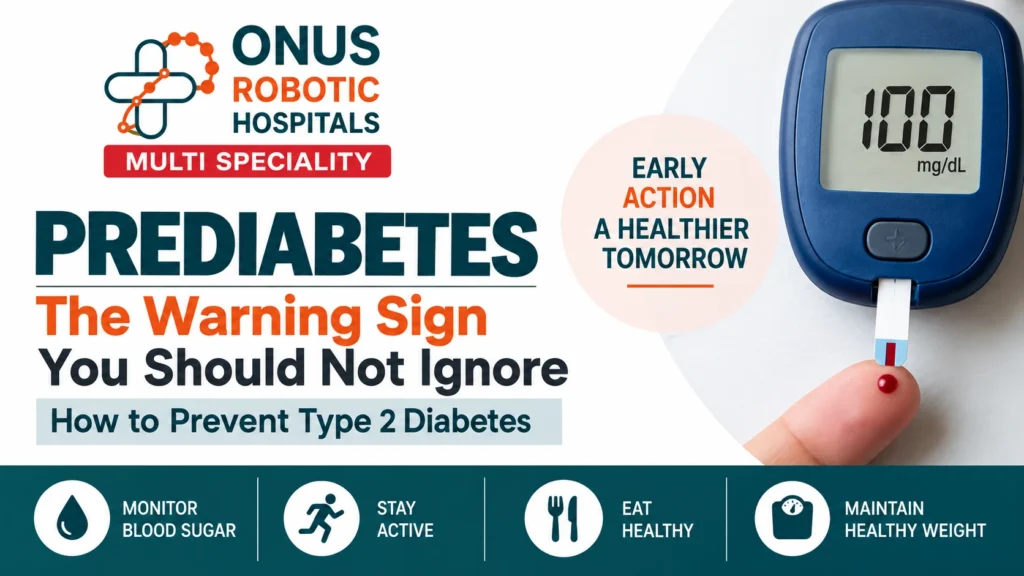
Prediabetes occurs when blood sugar levels are higher than normal but not yet high enough to be diagnosed as Type 2 diabetes. It serves as a critical opportunity to identify metabolic problems early and take action before permanent damage occurs.
The good news is that prediabetes can often be reversed or significantly improved through timely lifestyle changes and appropriate medical guidance.
What Is Prediabetes?
Prediabetes is a condition in which blood glucose levels are elevated beyond the normal range but remain below the threshold for diabetes.
It indicates that the body’s ability to use insulin effectively is becoming impaired.
In most cases, prediabetes develops due to insulin resistance, where cells become less responsive to insulin and blood sugar begins to rise gradually.
Without intervention, many individuals with prediabetes eventually develop Type 2 diabetes.
Why Prediabetes Matters
Many people assume prediabetes is a minor issue because it is not yet diabetes. However, prediabetes can already affect long-term health.
Prediabetes increases the risk of:
- Type 2 diabetes
- Heart disease
- Stroke
- High blood pressure
- Fatty liver disease
- Kidney disease
- Metabolic syndrome
Even before diabetes develops, elevated blood sugar can begin affecting blood vessels and overall metabolic health.
What Causes Prediabetes?
Several factors contribute to the development of prediabetes.
Insulin Resistance
Insulin resistance is the most common underlying cause.
When cells stop responding effectively to insulin:
- Blood sugar rises
- The pancreas produces more insulin
- Fat storage increases
- Weight loss becomes difficult
Over time, the pancreas may struggle to keep up with the body’s increased insulin demands.
Excess Belly Fat
Abdominal obesity is strongly associated with insulin resistance and prediabetes.
Visceral fat, which surrounds internal organs, produces inflammatory substances that interfere with insulin function and increase metabolic risk.
Physical Inactivity
A sedentary lifestyle reduces the body’s ability to utilize glucose efficiently.
Regular physical activity helps improve insulin sensitivity and blood sugar control.
Unhealthy Diet
Frequent consumption of:
- Sugary beverages
- Processed foods
- Refined carbohydrates
- Excess fast food
can contribute to weight gain and insulin resistance.
Family History
Individuals with a family history of Type 2 diabetes may have a higher risk of developing prediabetes.
Who Is at Risk?
Certain individuals are more likely to develop prediabetes.
Risk factors include:
- Age above 35 years
- Overweight or obesity
- Excess belly fat
- Family history of diabetes
- Physical inactivity
- High blood pressure
- High cholesterol or triglycerides
- PCOS (Polycystic Ovary Syndrome)
- History of gestational diabetes
- Fatty liver disease
Having multiple risk factors increases the likelihood of developing prediabetes.
Symptoms of Prediabetes
One of the biggest challenges is that prediabetes often causes no noticeable symptoms.
However, some individuals may experience:
Increased Fatigue
Feeling unusually tired despite adequate rest.
Increased Hunger
Frequent hunger shortly after meals.
Difficulty Losing Weight
Persistent weight gain or inability to lose abdominal fat.
Darkened Skin Patches
Some individuals develop dark, velvety skin around:
- Neck
- Armpits
- Groin
This condition, called Acanthosis Nigricans, may indicate insulin resistance.
Increased Waist Circumference
Growing abdominal obesity is a common warning sign.
How Is Prediabetes Diagnosed?
Prediabetes is typically detected through blood tests.
Fasting Blood Sugar (FBS)
Normal:
- Less than 100 mg/dL
Prediabetes:
- 100–125 mg/dL
Diabetes:
- 126 mg/dL or higher
HbA1c Test
HbA1c reflects average blood sugar levels over approximately three months.
Normal:
- Below 5.7%
Prediabetes:
- 5.7% to 6.4%
Diabetes:
- 6.5% or higher
Oral Glucose Tolerance Test (OGTT)
This test evaluates how efficiently the body processes glucose after consuming a glucose drink.
Your doctor may recommend additional tests depending on individual risk factors.
Can Prediabetes Be Reversed?
In many cases, yes.
Prediabetes represents a stage where intervention can significantly improve metabolic health and reduce the risk of progression to Type 2 diabetes.
The earlier action is taken, the greater the likelihood of success.
How to Prevent Type 2 Diabetes
1. Lose Excess Weight
Even modest weight loss can improve insulin sensitivity.
Benefits include:
- Lower blood sugar
- Reduced insulin resistance
- Lower diabetes risk
- Improved metabolic health
Small reductions in body weight can have meaningful health benefits.
2. Increase Physical Activity
Regular exercise helps muscles use glucose more effectively.
Recommended activities include:
- Walking
- Cycling
- Swimming
- Strength training
- Yoga
Consistency is more important than intensity.
3. Improve Your Diet
Focus on:
Eat More:
- Vegetables
- Fruits
- Whole grains
- Millets
- Pulses
- Lean proteins
- Healthy fats
Limit:
- Sugary drinks
- Sweets
- Processed foods
- Refined flour products
- Excess fast food
Balanced nutrition supports stable blood sugar levels.
4. Reduce Belly Fat
Visceral fat is one of the strongest drivers of insulin resistance.
Reducing abdominal obesity can significantly improve metabolic health and diabetes risk.
5. Prioritize Sleep
Poor sleep is associated with:
- Insulin resistance
- Increased appetite
- Weight gain
- Higher diabetes risk
Aim for approximately 7–9 hours of quality sleep each night.
6. Manage Stress
Chronic stress may worsen insulin resistance and unhealthy eating patterns.
Helpful strategies include:
- Meditation
- Deep breathing exercises
- Yoga
- Walking
- Mindfulness practices
Stress management supports overall metabolic health.
Prediabetes and Fatty Liver Disease
Many individuals with prediabetes also have fatty liver disease.
Insulin resistance contributes to excess fat accumulation in the liver, increasing the risk of liver-related complications.
Managing prediabetes often helps improve fatty liver disease as well.
Should You Take Prediabetes Seriously?
Absolutely.
Prediabetes is not simply a laboratory finding—it is a warning sign that the body’s metabolism is under stress.
Ignoring prediabetes increases the likelihood of developing:
- Type 2 diabetes
- Heart disease
- Stroke
- Kidney problems
- Fatty liver disease
The earlier lifestyle changes begin, the better the long-term outcomes.
When Should You See a Doctor?
Consult a healthcare professional if you have:
- Family history of diabetes
- Persistent belly fat
- Fatty liver disease
- PCOS
- High blood pressure
- Elevated cholesterol
- Difficulty losing weight
- Blood sugar levels in the prediabetes range
Regular screening is especially important for individuals with multiple risk factors.
Conclusion
Prediabetes is one of the most important early warning signs of future metabolic disease. Although it often causes no symptoms, it signals that the body is becoming less efficient at regulating blood sugar.
The encouraging news is that prediabetes is often reversible through healthy lifestyle changes, weight management, regular exercise, proper nutrition, quality sleep, and medical guidance when needed.
Recognizing and addressing prediabetes early can help prevent Type 2 diabetes, protect long-term health, and improve quality of life.
Dr. Ravi Kiran
Diabetologist & Preventive Medicine Specialist
Onus Robotic Hospital, Hyderabad