Introduction
Insulin resistance is one of the most important metabolic factors associated with the development of prediabetes and type 2 diabetes. It can develop gradually over several years, often without noticeable symptoms.
But what causes insulin resistance? Is it mainly related to eating too much sugar, gaining weight, or having a family history of diabetes?
The answer is more complex. Insulin resistance usually develops through a combination of genetic susceptibility, body composition, physical activity, dietary habits, sleep patterns, hormonal changes, and other medical conditions.
Understanding these factors can help you identify which aspects of your health may be improved and take steps to reduce your risk of developing type 2 diabetes.
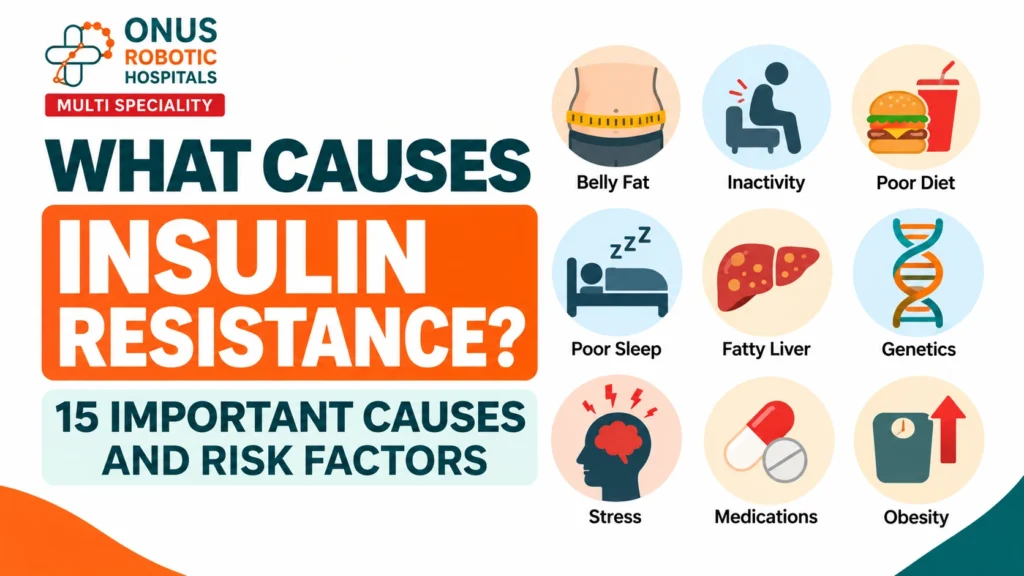
In this article, we explore 15 important causes and risk factors for insulin resistance, explain how they affect metabolic health, and discuss practical ways to improve insulin sensitivity.
What Is Insulin Resistance?
Insulin is a hormone produced by the pancreas. Its primary role is to help regulate blood glucose by allowing cells to use glucose for energy and by controlling glucose production in the liver.
When insulin resistance develops, the body’s cells respond less effectively to insulin.
As a result, the pancreas may produce more insulin to maintain normal blood glucose levels. This compensation can work for years, but in some people it eventually becomes insufficient, allowing blood sugar to rise.
What Happens During Insulin Resistance?
- Muscle cells become less responsive to insulin.
- The liver may continue releasing more glucose than the body needs.
- Fat tissue may release more fatty acids into the bloodstream.
- The pancreas may increase insulin production.
- The risk of prediabetes and type 2 diabetes may increase.
Insulin resistance does not automatically mean you have diabetes. Many people maintain normal glucose levels despite reduced insulin sensitivity.
15 Important Causes and Risk Factors for Insulin Resistance
1. Excess Visceral Fat
Visceral fat is the fat stored deep inside the abdomen, surrounding organs such as the liver and intestines.
Unlike the fat directly beneath the skin, visceral fat is metabolically active and can release fatty acids and inflammatory substances that interfere with normal insulin action.
How Does Visceral Fat Affect Insulin Sensitivity?
Excess visceral fat can contribute to:
- Reduced insulin sensitivity in the liver and muscles
- Increased release of fatty acids
- Chronic low-grade inflammation
- Increased risk of fatty liver disease
- Higher risk of type 2 diabetes
What Can You Do?
If you have excess abdominal fat, gradual weight loss through a balanced diet and regular physical activity may improve insulin sensitivity.
Waist circumference can provide additional information about metabolic risk, although healthy waist measurements vary according to sex and population.
2. Excess Total Body Fat
Obesity is strongly associated with insulin resistance, but the relationship is not identical for everyone.
Some people with obesity remain relatively insulin sensitive, while others develop metabolic complications at lower body weights. Fat distribution, genetics, liver fat, muscle mass, and other factors influence individual risk.
Excess fat accumulation can overwhelm the body’s ability to store and process nutrients efficiently, particularly when fat accumulates in the liver and other organs.
Why Does It Matter?
Excess body fat can contribute to:
- Insulin resistance
- Prediabetes
- Type 2 diabetes
- High blood pressure
- Abnormal cholesterol and triglyceride levels
- Metabolic dysfunction-associated steatotic liver disease (MASLD)
How Can You Reduce the Risk?
For people with overweight or obesity, sustainable weight loss can improve metabolic health. The most appropriate target depends on individual circumstances and should focus on long-term health rather than rapid weight reduction.
3. Physical Inactivity
Physical inactivity is a major modifiable risk factor for insulin resistance.
Skeletal muscles use glucose for energy, and physical activity helps muscles take up glucose more effectively. Muscle contractions can also increase glucose uptake through mechanisms that do not depend entirely on insulin.
When someone spends most of the day sitting and performs little physical activity, insulin sensitivity may decline.
Common Contributors
- Sitting for long periods at work
- Limited walking
- Little or no resistance training
- Spending most leisure time sitting
- Reduced activity with increasing age
How to Improve Insulin Sensitivity
Consider:
- Walking regularly
- Taking movement breaks during prolonged sitting
- Cycling or swimming
- Performing resistance exercises
- Gradually increasing weekly activity
Many adults can aim for at least 150 minutes of moderate-intensity physical activity each week, alongside muscle-strengthening activities on two or more days, according to their abilities and medical needs.
4. Low Muscle Mass
Muscles play a major role in glucose regulation. After a meal, skeletal muscle is one of the primary tissues responsible for taking up glucose from the bloodstream.
When muscle mass is low, the body’s capacity to use glucose may be reduced, although insulin resistance depends on more than muscle size alone.
Low muscle mass can occur with ageing, inactivity, inadequate nutrition, or certain medical conditions.
Why Muscle Health Matters
Maintaining muscle can support:
- Glucose regulation
- Physical strength
- Mobility and balance
- Healthy ageing
- Weight management
Practical Steps
Resistance training, adequate protein intake, and regular movement can help preserve muscle mass. People with medical conditions or significant physical limitations should seek individualized exercise guidance.
5. Genetic Susceptibility and Family History
Genetics can influence how the body produces insulin, responds to insulin, stores fat, and regulates glucose.
Having a parent or sibling with type 2 diabetes increases your risk of developing the condition.
Some people are also more susceptible to insulin resistance at lower body weights or waist measurements than others.
Does Genetics Mean Diabetes Is Unavoidable?
No. Genetic susceptibility does not guarantee that someone will develop diabetes.
Although inherited factors cannot be changed, physical activity, nutrition, weight management, and appropriate medical screening can help reduce modifiable risks.
If type 2 diabetes runs in your family, discuss your screening needs with a healthcare professional.
6. Ageing and Changes in Body Composition
Insulin resistance becomes more common with age, partly because of changes in body composition, physical activity, and other health factors.
Ageing may be accompanied by:
- Reduced muscle mass
- Increased abdominal fat
- Lower physical activity
- Changes in sleep
- Greater likelihood of certain medical conditions
However, insulin resistance and type 2 diabetes can also develop in younger adults and children.
What Can Help?
Regular exercise, muscle-strengthening activities, balanced nutrition, and appropriate screening can support metabolic health at different stages of life.
Age alone does not determine whether someone will develop insulin resistance.
7. Chronic Excess Calorie Intake
Consistently consuming more energy than the body uses can contribute to weight gain and excess fat accumulation.
When this occurs over time, especially in people who are genetically susceptible, fat may accumulate in the liver and other tissues, contributing to insulin resistance.
However, calorie requirements differ between individuals, and insulin resistance can develop for reasons other than excess calorie intake.
What Should You Focus On?
- Appropriate portion sizes
- Regular, balanced meals
- Nutrient-dense foods
- Adequate protein and fiber
- Sustainable eating habits
The objective is not to follow an extremely restrictive diet. It is to establish an eating pattern that supports metabolic health and can be maintained over time.
8. A Diet Dominated by Highly Refined and Ultra-Processed Foods
Dietary patterns dominated by sugary drinks, refined snacks, and energy-dense ultra-processed foods may make it harder to maintain a healthy weight and obtain sufficient nutrients.
Frequent consumption of sugar-sweetened beverages is particularly associated with increased risk of weight gain and type 2 diabetes.
However, no single food automatically causes insulin resistance. Overall dietary patterns, energy intake, body composition, genetics, and physical activity all matter.
Foods to Limit
- Sugar-sweetened beverages
- Frequent consumption of sweets and confectionery
- Large quantities of refined snacks
- Highly processed foods that displace nutritious alternatives
Foods to Include More Often
- Vegetables
- Whole fruits
- Beans and lentils
- Whole grains
- Nuts and seeds
- Suitable protein sources
- Healthy fats
People with diabetes or other medical conditions may benefit from individualized dietary advice.
9. Poor Sleep and Chronic Sleep Deprivation
Sleep plays an important role in appetite regulation, hormonal function, and glucose metabolism.
Repeatedly getting insufficient sleep may reduce insulin sensitivity and increase the likelihood of weight gain in some individuals.
Poor sleep can also influence food choices, energy levels, and motivation to exercise.
Possible Contributors
- Irregular sleep schedules
- Long working hours
- Late-night screen use
- Chronic stress
- Untreated sleep disorders
How to Improve Sleep
Most adults should aim for approximately seven to nine hours of sleep each night, although individual requirements vary.
Maintain a regular sleep schedule and seek medical advice if you have persistent insomnia, excessive daytime sleepiness, or other ongoing sleep problems.
10. Obstructive Sleep Apnea
Obstructive sleep apnea is a condition in which breathing repeatedly stops or becomes restricted during sleep.
It commonly occurs alongside obesity and type 2 diabetes and is associated with increased metabolic risk.
Repeated interruptions in breathing can lead to intermittent reductions in oxygen levels, sleep fragmentation, and changes in stress-related physiological responses.
Warning Signs
- Loud, habitual snoring
- Pauses in breathing noticed by another person
- Waking up gasping or choking
- Morning headaches
- Excessive daytime sleepiness
These symptoms do not confirm sleep apnea, but they warrant medical assessment.
Diagnosis and appropriate treatment may improve sleep quality and overall health, although the effect on insulin sensitivity varies.
11. Fatty Liver Disease
Metabolic dysfunction-associated steatotic liver disease (MASLD), previously commonly called non-alcoholic fatty liver disease, involves excess fat accumulation in the liver in association with metabolic risk factors.
Fatty liver and insulin resistance frequently occur together and may contribute to one another.
When the liver becomes less responsive to insulin, it may continue releasing glucose even when the body does not need it. Increased fat accumulation in the liver can also be part of a wider pattern of metabolic dysfunction.
Possible Findings
- Fatty liver detected during imaging
- Elevated liver enzymes
- Abdominal obesity
- High triglycerides
- Prediabetes or type 2 diabetes
Fatty liver often causes no noticeable symptoms. Normal liver enzyme results also do not completely exclude it.
A healthcare professional can determine whether additional evaluation is needed.
12. Certain Medications
Some medications can affect glucose metabolism or increase blood sugar levels in susceptible individuals.
Examples include:
- Glucocorticoids, such as prednisolone
- Certain antipsychotic medications
- Some immunosuppressive medications
- Certain other medicines that affect glucose regulation
The effect depends on the specific medicine, dose, duration, and the person’s underlying health.
What Should You Do?
If your blood glucose rises after starting a medication, discuss it with the prescribing clinician.
Do not stop or change a prescribed medication on your own. Your doctor can assess the benefits and risks, consider alternatives when appropriate, and recommend suitable glucose monitoring.
13. Pregnancy and a History of Gestational Diabetes
During pregnancy, hormonal changes naturally increase insulin resistance to help ensure that sufficient nutrients are available for the developing baby.
Most pregnant people’s bodies compensate by producing additional insulin. When this compensation is insufficient, gestational diabetes can develop.
Why Does Gestational Diabetes Matter Later?
A history of gestational diabetes is associated with an increased risk of developing type 2 diabetes in the future.
People who have had gestational diabetes should follow recommended postpartum and long-term diabetes screening schedules.
Healthy eating, physical activity, and appropriate weight management may help reduce future risk, but regular screening remains important even when blood glucose returns to normal after pregnancy.
14. Hormonal and Metabolic Conditions
Certain hormonal disorders can contribute to insulin resistance.
Polycystic Ovary Syndrome (PCOS)
PCOS is a hormonal and metabolic condition that can be associated with insulin resistance, irregular menstrual cycles, and increased androgen levels.
Not everyone with PCOS has insulin resistance, and insulin resistance is not the only factor involved in PCOS.
Endocrine Disorders
Conditions such as Cushing syndrome and acromegaly can also contribute to insulin resistance.
These disorders are less common than lifestyle-associated metabolic risk factors and usually require specific medical evaluation.
Why Diagnosis Matters
Treating an underlying hormonal disorder, when present, may help improve metabolic health. Unexplained symptoms should be assessed by a qualified healthcare professional rather than attributed to insulin resistance alone.
15. Multiple Risk Factors Acting Together
In many people, insulin resistance does not have one identifiable cause.
Instead, several factors interact over time.
For example, a person may have a family history of diabetes, spend long hours sitting, gradually gain abdominal fat, sleep poorly, and develop fatty liver disease.
Together, these factors may increase insulin resistance more than any single factor would on its own.
A Combined Risk Pattern
Genetic susceptibility + physical inactivity + excess visceral fat + poor sleep + metabolic dysfunction
This combination can increase the likelihood of developing prediabetes and type 2 diabetes.
The encouraging part is that several of these factors are modifiable. Improving even a few of them may benefit overall metabolic health.
Does Stress Cause Insulin Resistance?
Chronic stress can influence metabolic health through several pathways.
Stress may affect sleep, eating habits, physical activity, and hormones such as cortisol. Prolonged exposure to stress can also make it more difficult to maintain healthy routines.
However, stress alone cannot usually explain the development of insulin resistance or type 2 diabetes.
What May Help?
- Regular physical activity
- Consistent sleep
- Relaxation exercises
- Time for enjoyable activities
- Support from friends, family, or professionals when needed
Stress management should complement, rather than replace, medical assessment and other lifestyle interventions.
Does Eating Sugar Cause Insulin Resistance?
Eating sugar does not automatically cause insulin resistance.
However, frequent consumption of sugar-sweetened beverages and energy-dense foods can contribute to excess calorie intake, weight gain, and increased diabetes risk.
The overall dietary pattern matters more than blaming a single ingredient.
For example, whole fruit contains naturally occurring sugars but also provides fiber, vitamins, and other beneficial nutrients. It should not automatically be treated the same way as a sugar-sweetened beverage.
A balanced approach focuses on food quality, portion sizes, physical activity, and individual nutritional needs.
What Are the Warning Signs of Insulin Resistance?
Insulin resistance often causes no obvious symptoms. Some associated findings may nevertheless indicate increased metabolic risk.
These include:
- Increasing waist circumference
- Dark, thickened skin around the neck or armpits, known as acanthosis nigricans
- Elevated triglycerides
- Low HDL cholesterol
- High blood pressure
- Prediabetes
- Fatty liver disease
These findings are not diagnostic on their own. For example, abdominal fat does not prove insulin resistance, and fatigue or sugar cravings are not reliable diagnostic signs.
If you have multiple risk factors, ask your healthcare professional whether diabetes screening or further metabolic assessment is appropriate.
How Can You Address the Causes of Insulin Resistance?
A practical approach focuses on the factors you can change while also managing medical conditions and inherited risk.
1. Reduce Excess Body Fat When Appropriate
For people with overweight or obesity, gradual weight loss can improve insulin sensitivity and reduce diabetes risk.
A healthcare professional can help establish a realistic goal based on your health, body composition, and medical history.
2. Increase Physical Activity
Regular movement helps muscles use glucose more effectively.
Aim for a sustainable weekly routine that combines aerobic exercise, strength training, and movement breaks during prolonged sitting.
Start gradually if you are currently inactive.
3. Improve Dietary Quality
Build meals around vegetables, fiber-rich carbohydrates, protein sources, and unsaturated fats.
Reduce frequent consumption of sugary beverages and highly processed foods without adopting unnecessarily restrictive eating rules.
4. Protect Muscle Mass
Resistance training can improve strength and support glucose regulation.
Combine appropriate exercise with adequate nutrition and recovery.
5. Improve Sleep
Establish a consistent sleep schedule and address persistent sleep problems.
If you experience loud snoring, breathing pauses during sleep, or significant daytime sleepiness, discuss possible sleep apnea with your doctor.
6. Manage Associated Conditions
High blood pressure, abnormal cholesterol, fatty liver, PCOS, and prediabetes may require specific evaluation or treatment.
Addressing these conditions is an important part of reducing overall cardiometabolic risk.
7. Follow Appropriate Screening Recommendations
Depending on your risk factors, a healthcare professional may recommend:
- Fasting plasma glucose
- HbA1c
- Oral glucose tolerance testing
- Lipid profile
- Blood pressure measurement
- Liver evaluation when indicated
Fasting insulin and HOMA-IR are not universal stand-alone diagnostic tests for insulin resistance. Testing should be selected according to individual clinical needs.
How Much Lifestyle Change Is Needed to Reduce Diabetes Risk?
The landmark Diabetes Prevention Program studied people at high risk of developing type 2 diabetes.
Its intensive lifestyle intervention aimed for approximately 7% weight loss and at least 150 minutes of moderate physical activity each week.
The intervention reduced the incidence of type 2 diabetes by 58% compared with placebo during the trial’s average follow-up of about 2.8 years.
This finding demonstrates that lifestyle changes can substantially reduce diabetes risk in appropriately selected high-risk individuals.
It does not mean that every person must lose exactly 7% of their weight or that the same result is guaranteed for everyone.
For people with overweight, even a sustainable weight-loss goal of around 5–10% may provide meaningful health benefits.
Can Insulin Resistance Be Reversed?
Insulin sensitivity can improve considerably in many people, particularly when modifiable contributing factors are addressed.
Helpful interventions may include:
- Reducing excess body fat
- Increasing aerobic activity
- Performing resistance training
- Improving dietary quality
- Getting adequate sleep
- Treating associated medical conditions
The degree of improvement varies between individuals. Some people may continue to have insulin resistance because of genetic, hormonal, or other medical factors.
If someone already has type 2 diabetes, improved insulin sensitivity may help with glucose management. Some people can achieve diabetes remission, but remission is not the same as a permanent cure, and continued medical follow-up is necessary.
Do not stop prescribed medication without guidance from your healthcare professional.
Frequently Asked Questions
1. What is the biggest cause of insulin resistance?
There is no single cause for everyone. Excess visceral fat and physical inactivity are important modifiable contributors, while genetics, sleep, age, medications, and medical conditions can also influence risk.
2. Is insulin resistance genetic?
Yes, genetics can influence susceptibility. However, inherited risk does not guarantee that diabetes will develop. Lifestyle factors and appropriate medical care also matter.
3. Does fatty liver cause insulin resistance?
Fatty liver and insulin resistance have a complex, often bidirectional relationship. They commonly occur together, and each may contribute to worsening metabolic dysfunction.
4. Can lack of sleep increase insulin resistance?
Chronic insufficient sleep is associated with impaired insulin sensitivity and other metabolic changes. Improving sleep is a useful part of a broader health strategy.
5. Does stress directly cause diabetes?
Stress may influence glucose regulation and the habits that affect metabolic health, but diabetes usually develops through multiple interacting factors. Stress alone is not a sufficient explanation for every case.
6. Can insulin resistance occur in people who are not overweight?
Yes. Insulin resistance can occur at normal body weight, depending on factors such as fat distribution, genetics, muscle mass, and other medical conditions.
7. Can insulin resistance be reversed naturally?
Lifestyle changes can improve insulin sensitivity without medication in many people. However, some individuals need medication or treatment for underlying conditions. The appropriate approach depends on the person’s health and glucose status.
8. How can I know whether I have insulin resistance?
There is no single universally accepted routine test that definitively diagnoses insulin resistance in every individual. A healthcare professional can assess your risk factors and decide whether glucose testing or other investigations are appropriate.
Conclusion
Insulin resistance usually develops through a combination of genetic, lifestyle, body-composition, and metabolic factors rather than one isolated cause.
Excess visceral fat, physical inactivity, low muscle mass, poor sleep, fatty liver, certain medications, and hormonal conditions can all contribute to metabolic risk in different ways.
The most useful approach is to identify which factors apply to you and address those that can be changed.
Focus on what you can improve: physical activity, muscle strength, nutrition, sleep, weight management, and appropriate medical screening.
These steps can improve insulin sensitivity, support metabolic health, and reduce the risk of developing type 2 diabetes.
Medical disclaimer: This article is for educational purposes only and does not replace professional medical advice, diagnosis, or treatment. Consult a qualified healthcare professional for individualized assessment and care.