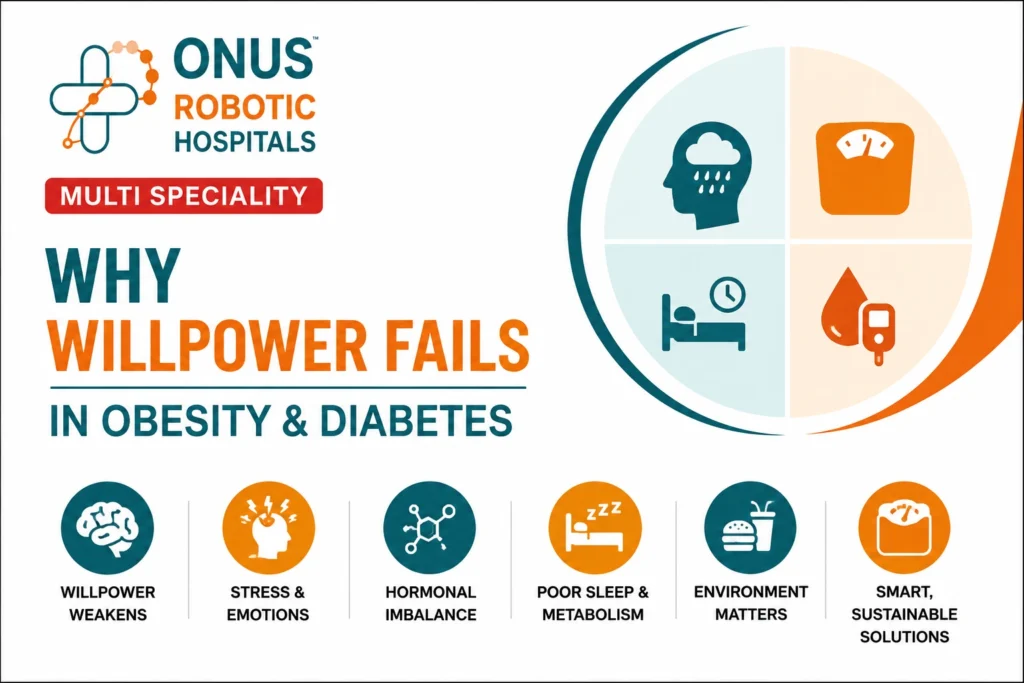
Many people struggling with obesity or diabetes are often told to “eat less,” “exercise more,” or simply “have more willpower.” While self-discipline certainly plays a role in maintaining healthy habits, modern medical science has shown that obesity and diabetes are far more complex than a lack of motivation or determination.
Weight gain and blood sugar control are influenced by a combination of biological, hormonal, psychological, environmental, and lifestyle factors. This is why many people find themselves repeatedly starting diets, losing weight temporarily, and then regaining it despite their best efforts.
Understanding the science behind obesity and diabetes can help remove guilt, improve treatment outcomes, and lead to more effective long-term solutions.
The Myth of Willpower
Willpower is often viewed as the primary factor determining success or failure in weight management. However, willpower is not an unlimited resource.
Research suggests that mental energy fluctuates throughout the day. Factors such as stress, fatigue, sleep deprivation, emotional challenges, and environmental triggers can weaken decision-making abilities and increase cravings.
This means that even highly motivated individuals may struggle to maintain healthy eating habits when multiple biological and psychological factors are working against them.
Why Willpower Weakens During the Day
Many people notice that they make healthier choices in the morning but struggle later in the evening.
This happens because:
- Mental fatigue accumulates throughout the day
- Stress hormones rise
- Hunger signals become stronger
- Decision-making capacity decreases
- Emotional triggers become more influential
After a long day of work, family responsibilities, and daily stress, resisting unhealthy food choices becomes significantly more difficult.
This is not a character flaw—it is a normal biological response.
How Stress Affects Eating Behavior
Stress plays a major role in both obesity and diabetes.
When the body experiences stress, it releases hormones such as cortisol and adrenaline. While these hormones help us respond to challenges, chronic stress can negatively affect metabolism and eating patterns.
Effects of Chronic Stress
- Increased appetite
- Cravings for sugary and high-calorie foods
- Increased fat storage
- Elevated blood sugar levels
- Reduced motivation for exercise
Many individuals unknowingly use food as a coping mechanism during periods of stress, anxiety, or emotional discomfort.
Understanding Emotional Eating
Emotional eating occurs when food is used to manage feelings rather than satisfy physical hunger.
Common emotional triggers include:
- Stress
- Anxiety
- Loneliness
- Frustration
- Boredom
- Sadness
Foods rich in sugar and fat stimulate reward pathways in the brain, temporarily improving mood. However, this relief is often short-lived and may contribute to weight gain and poor blood sugar control over time.
Recognizing emotional eating patterns is an important step toward healthier habits.
The Role of Hormones in Obesity
Body weight is regulated by a complex network of hormones that influence hunger, fullness, metabolism, and fat storage.
Ghrelin – The Hunger Hormone
Ghrelin signals the brain when it is time to eat. Increased ghrelin levels can make individuals feel hungry even after consuming sufficient calories.
Leptin – The Satiety Hormone
Leptin helps signal fullness. In many people with obesity, the body develops leptin resistance, making it harder to recognize when enough food has been consumed.
Insulin
Insulin regulates blood sugar levels. Insulin resistance is a key factor in both obesity and Type 2 Diabetes and can contribute to increased fat storage.
Cortisol
Known as the stress hormone, cortisol can increase appetite and encourage abdominal fat accumulation when levels remain elevated over time.
These hormonal influences explain why weight management is often more challenging than simply eating less.
The Connection Between Sleep and Metabolism
Sleep is one of the most overlooked factors in weight and diabetes management.
Poor sleep affects multiple hormones involved in hunger and blood sugar regulation.
Consequences of Sleep Deprivation
- Increased hunger
- Higher ghrelin levels
- Lower leptin levels
- Reduced insulin sensitivity
- Increased cravings for sugary foods
- Slower metabolism
Even a few nights of inadequate sleep can negatively impact blood sugar control and increase the risk of weight gain.
Adults should generally aim for 7–9 hours of quality sleep each night to support metabolic health.
How the Environment Influences Food Choices
Modern environments are designed to encourage overeating.
People are constantly exposed to:
- Fast food advertisements
- Processed foods
- Large portion sizes
- Sugary beverages
- Easy access to unhealthy snacks
These environmental factors can strongly influence eating behavior, often without conscious awareness.
When unhealthy options are more accessible than healthy ones, maintaining good habits becomes significantly more difficult.
Why Repeated Dieting Often Fails
Many individuals cycle through multiple diets throughout their lives.
While some diets produce short-term results, they often fail to address the underlying causes of obesity.
Common reasons for failure include:
- Extreme restrictions
- Unsustainable eating patterns
- Metabolic adaptation
- Emotional triggers
- Hormonal influences
- Lack of individualized planning
When weight is lost rapidly, the body may respond by slowing metabolism and increasing hunger signals, making long-term maintenance difficult.
The Science-Based Approach to Obesity and Diabetes
Effective management requires addressing the root causes rather than relying solely on willpower.
A comprehensive approach may include:
Medical Evaluation
Identifying hormonal, metabolic, and lifestyle factors contributing to weight gain and diabetes.
Personalized Nutrition
Developing realistic eating plans that fit an individual’s health needs and preferences.
Physical Activity
Creating sustainable exercise routines that support long-term health.
Sleep Optimization
Improving sleep quality to support hormonal balance and metabolism.
Stress Management
Using techniques such as mindfulness, relaxation exercises, and behavioral strategies.
Professional Support
Working with healthcare providers for ongoing guidance and monitoring.
Sustainable Change Is More Effective Than Quick Fixes
Long-term success is rarely achieved through extreme diets or short-term motivation alone.
Sustainable lifestyle modifications are more likely to produce lasting improvements in:
- Body weight
- Blood sugar levels
- Energy levels
- Cardiovascular health
- Overall quality of life
Small, consistent changes often outperform dramatic but unsustainable efforts.
When Should You Seek Professional Help?
Consider consulting a healthcare professional if you:
- Struggle with repeated weight regain
- Have difficulty controlling blood sugar levels
- Experience emotional eating
- Have persistent obesity despite dieting efforts
- Feel frustrated by unsuccessful weight loss attempts
- Have a family history of diabetes or metabolic disorders
Early intervention can significantly improve long-term health outcomes.
Conclusion
Obesity and diabetes are complex medical conditions influenced by far more than willpower alone. Stress, hormones, emotional eating, sleep quality, environmental factors, and metabolic changes all play important roles in determining weight and blood sugar control.
Rather than blaming yourself for failed diets or weight regain, it is important to understand the science behind these conditions. A personalized, evidence-based approach that addresses the underlying causes can help achieve sustainable results and better overall health.
Expert Diabetes & Weight Management Care at ONUS Robotic Hospitals
Dr. P. Ravi Kiran, Consultant Diabetologist, specializes in evidence-based management of obesity, diabetes, insulin resistance, and metabolic disorders. Through personalized treatment strategies and long-term lifestyle guidance, patients can achieve healthier and more sustainable outcomes.
Consultation
📍 Dr. Ravi Kiran
Diabetologist & Preventive Medicine Specialist
Onus Robotic Hospital, Hyderabad